Guardians of the Wild(life)
 By Dina Mishev
Aligning with nature, local tourism boards are taking a leadership role in funding and managing wildlife conservation projects to sustain native wildlife amid rising visitation pressures. Simultaneously, travelers are increasingly investing in the protection and restoration of the habitats that make their journeys more meaningful.
The trajectory of nature-forward tourism suggests an expanding role for destinations as custodians of wildlife in an era of ecological fragility. As climate pressures mount, multi-sector cooperation—combining government regulation, local leadership, scientific expertise, and engaged travelers—is critical to sustaining these models. The message is increasingly clear: for tourism to endure, the wild must too.
Redefining Travel’s Purpose
Jackson Hole and other nature-centric destinations have adopted a progressive approach: not just preserving ecosystems, but proactively supporting the health and survival of native wildlife populations. Rather than promoting passivity, these places encourage direct visitor engagement in stewardship. In Costa Rica’s Osa Peninsula, where jaguars and tapirs thrive amidst one of the world’s most biodiverse rainforests, lodges work with local NGOs for wildlife monitoring—inviting guests to help log sightings of scarlet macaws or track endangered sea turtles. Here in Jackson Hole, tourism funds go directly to conservation and visitors leave as invested allies in native species’ future.
The “Being Wild” campaign, which ran from October, 2020 through June, 2025 and was funded by the Jackson Hole Travel and Tourism Board and Jackson Hole Wildlife Foundation and implemented by the JHWF, reached travelers before arrival. The website, social media, and newsletters provided information about conservation initiatives and tangible volunteer opportunities—such as fence removal and invasive weed pulls—so visitors could work alongside locals. “The goal was to create a visitor community that helped conserve our wildlife,” explained Renee Seidler, executive director of the foundation.
Tourism as a Conservation Partner
Private reserves in South Africa’s Eastern Cape are investing in eco-tourism models that employ local rangers and researchers, and reintroduce native species like black rhino and buffalo to lands where they’d vanished decades before. Tourists pay premium safari rates, funding anti-poaching patrols, veterinary care, and corridor expansion.
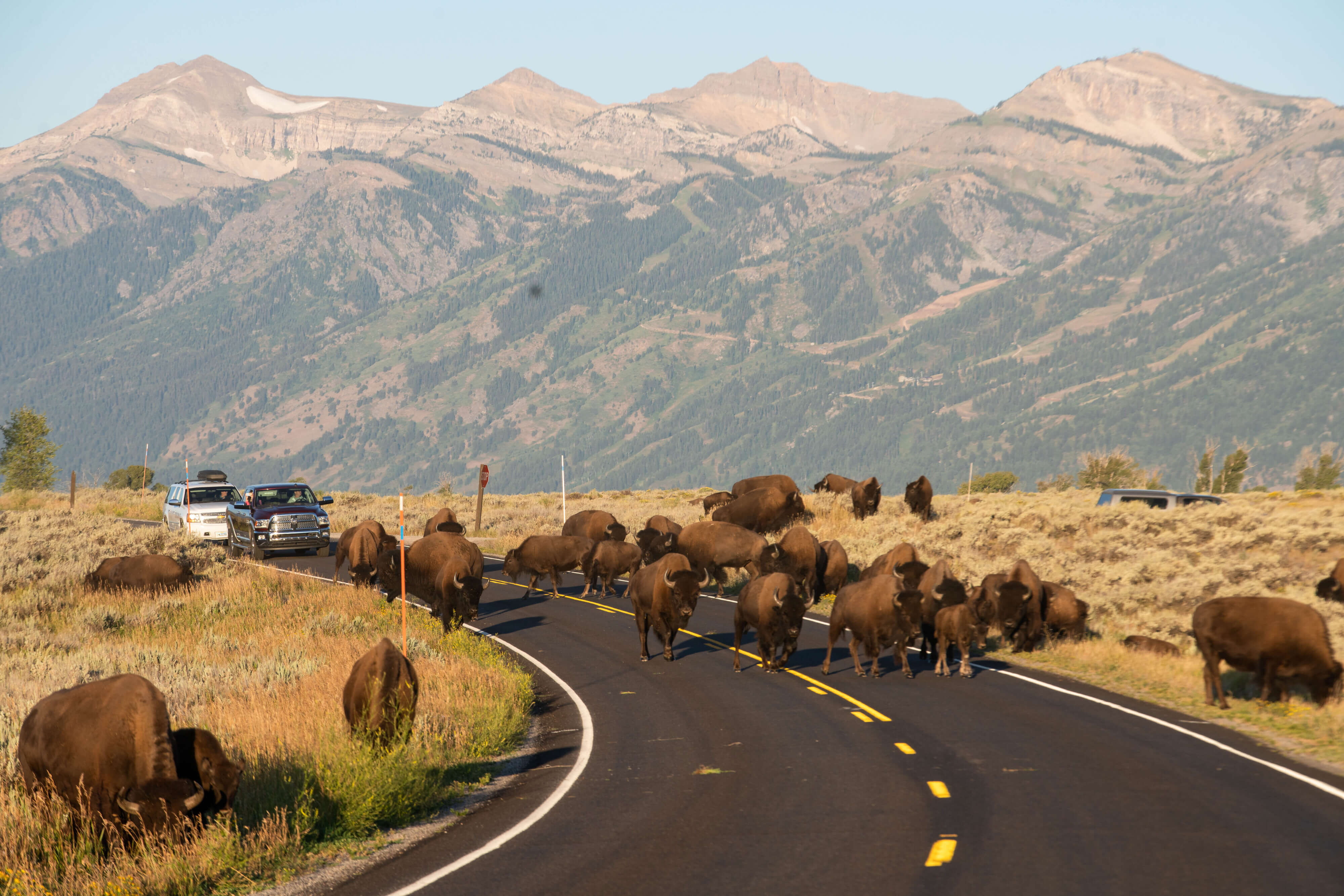
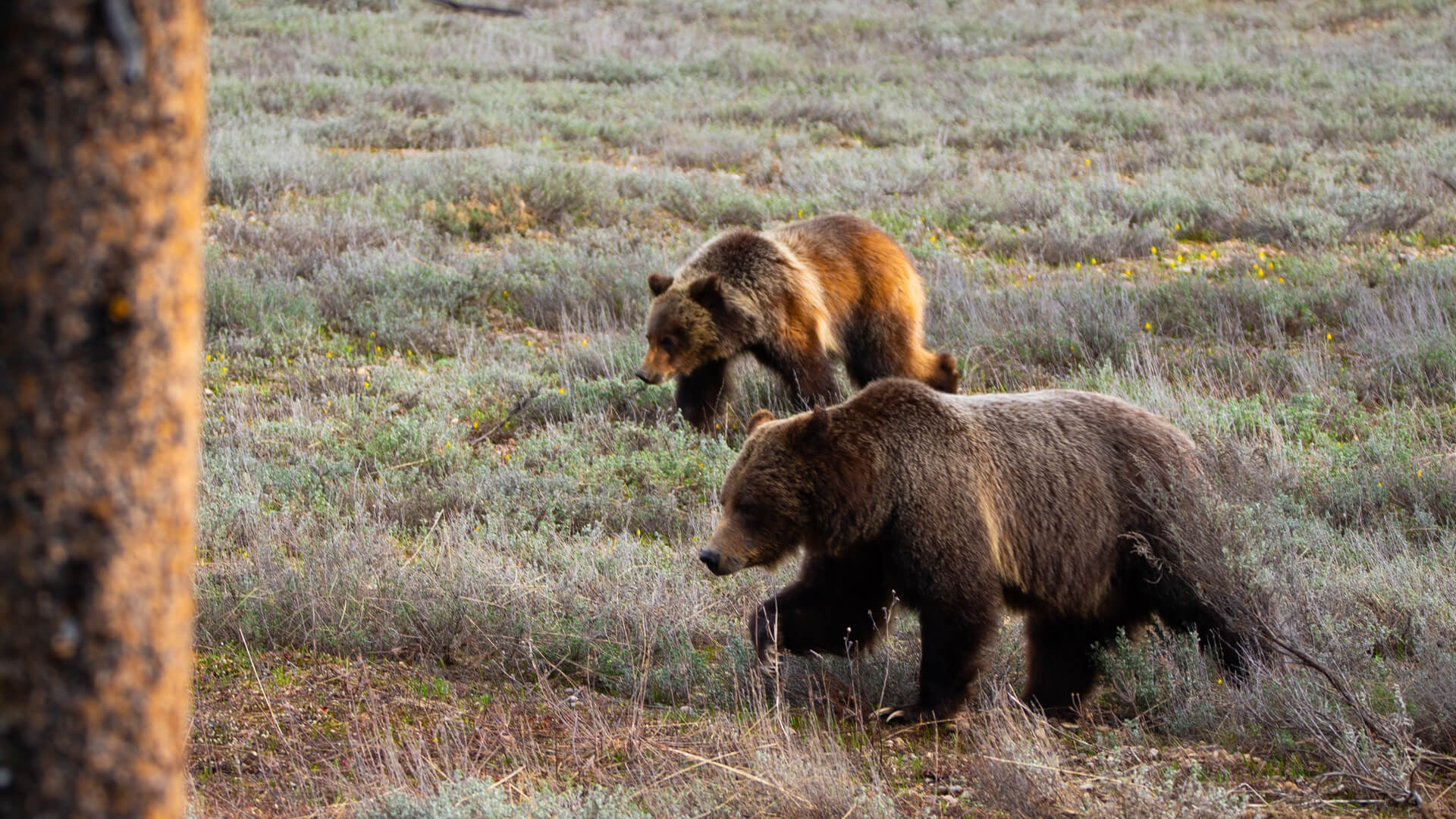
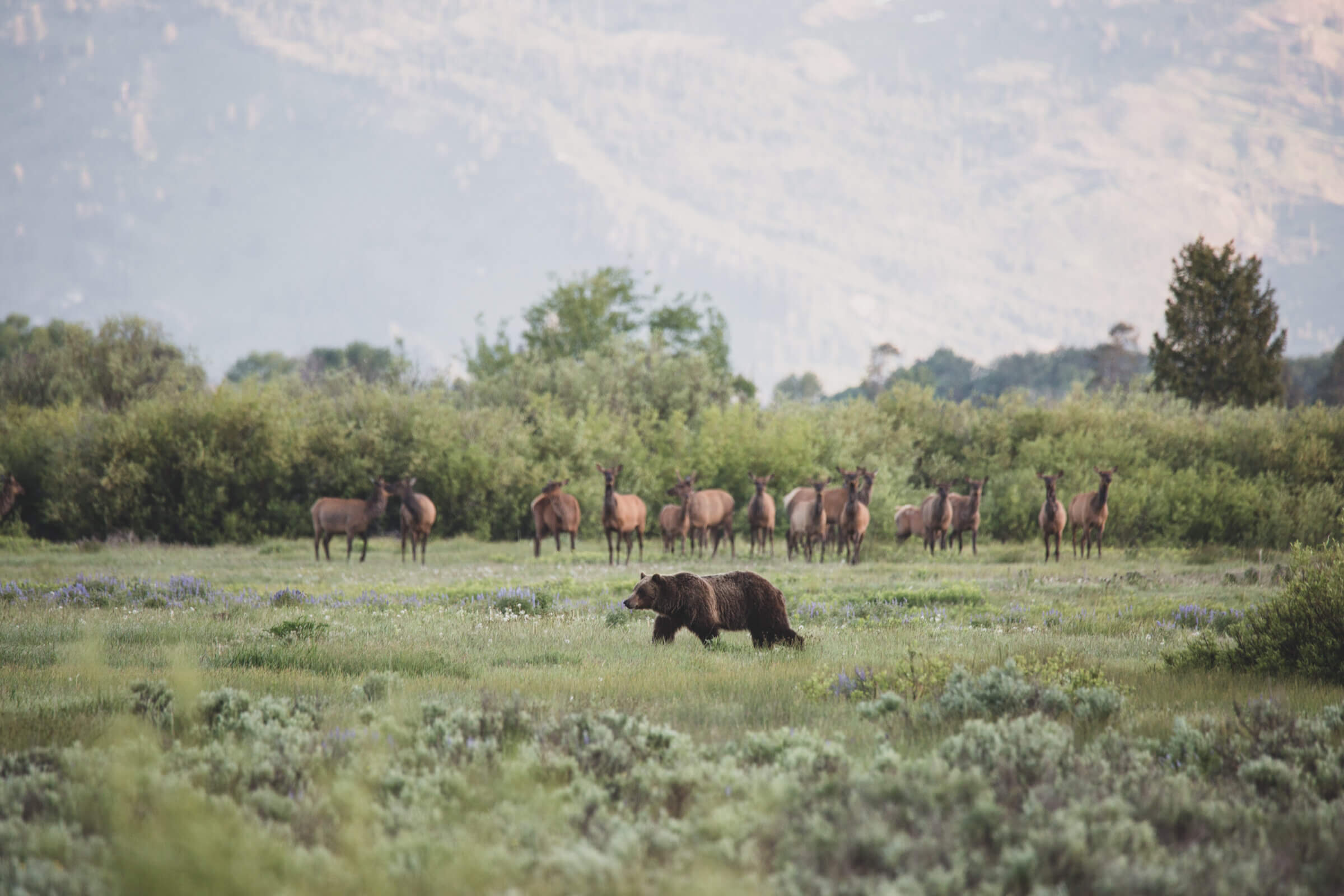
In Jackson Hole, Friends of the Bridger-Teton puts volunteer ambassadors at key camping and trail locations. Funded by the Travel & Tourism Board, ambassadors teach principles of responsible recreation and the crucial importance of storing food correctly. Securing food prevents wildlife conflicts—especially for bears, which, if habituated to human food, become “problem animals” that may be euthanized to safeguard people. Since this ambassador program began in 2021, no human-bear conflicts have been reported in areas with ambassadors.
Private Sector Buy-in
Tourism ranks as Wyoming’s second-largest industry, generating $4.9 billion in 2024. Spending from the 8.7 million domestic and international visitors generated $277.2 million in tax revenue and supported 33,850 jobs. This makes tourism the biggest private employment sector in the state. “Wildlife is a leading driver of Wyoming’s travel and tourism industry,” said Taylor Phillips, a naturalist and founder of Jackson Hole EcoTour Adventures. “Wyoming’s wildlife is one of our greatest draws—fewer visitors will come if it disappears. It’s in the best interest of tourism-related businesses to invest in the very resources that bring people here in the first place.”
In 2021, Phillips founded WYldlife For Tomorrow, a program of the WYldlife Fund, to inspire businesses that benefit from tourism and outdoor recreation to invest in the conservation of Wyoming’s wildlife. Since its inception, the nonprofit has generated almost $500,000 and directed these funds to support wildlife crossings, research, and habitat conservation projects. “The more that we can get the private sector to step up, the more good work can be done,” Phillips said.
Innovations Beneath the Surface
The conservation ethos is extending underwater, too. Dive resorts in Indonesia’s Raja Ampat archipelago collaborate with marine biologists to nurture coral nurseries, letting divers literally “plant” new coral fragments during guided sessions. Education plays a central role; guests learn about warming waters, pollution, and how choices made far from the tropics can affect reef health and marine wildlife.
Business influence can also amplify the message. Jackson Hole’s Snake River and its tributaries remain among the few U.S. fisheries still dominated by native cutthroat trout. Local fly-fishing guides are considering a certification program so clients get consistent, informed guidance on stewardship. “Having guides trained in best practices and consistent messaging—it’s a great opportunity to engage clients as stewards of the resource,” said Leslie Bahn Steen, Trout Unlimited’s Wyoming state director.
Government as a Collaborator
Local and national governments worldwide are stepping up for native species, too. The Galápagos, for instance, strictly limits daily visitor numbers to vulnerable zones; some tourism taxes fund invasive species control and marine protection. Boat operators are trained not just in safety but also in species ID, doubling as educators and keeping watch for illegal fishing.
An example at the local level is the Town of Jackson proactively replacing 85 public trash cans with bear-resistant models, also partially funded by the local lodging tax through the Jackson Hole Travel & Tourism Board. “We wanted to make this change before it became a problem,” said Tanya Anderson, the Town’s ecosystem stewardship administrator. All new bins sport QR codes for more information about responsible behavior in bear country.
Social Media’s Expanding Role
Visit Jackson Hole’s marketing director John Bowers said, “We very, very seldomly post any wildlife imagery on our social media channels without an accompanying responsible recreation message.” Wildlife photos are paired with instructions about safe distances, driving slowly, pulling off only in designated areas, and not feeding wild animals. Responsible messaging is now deeply embedded in promotional efforts.
The summer of 2024 saw Visit Jackson Hole’s interactive “Selfie Control” filter on Instagram amass over one billion impressions. “Reaching that mark was something we’d never seen,” Bowers said. Such popularity goes to show that protecting native species in their homes is newsworthy.
The filter’s goal was to reduce human-wildlife conflicts and minimize human-caused wildlife deaths in Jackson Hole and surrounding areas. The filter showed the size an animal should appear through a phone camera if the viewer is the appropriate distance from it. “Its popularity was absolutely nuts and it took on a life of its own that we didn’t expect,” Bowers said. And attention came from beyond the usual outdoor-industry world: the Drew Barrymore show had JHTTB executive director Crista Valentino on to chat about wildlife safety and why respecting wildlife was important. Other destinations were allowed to brand and use the filter for their own conservation messaging.